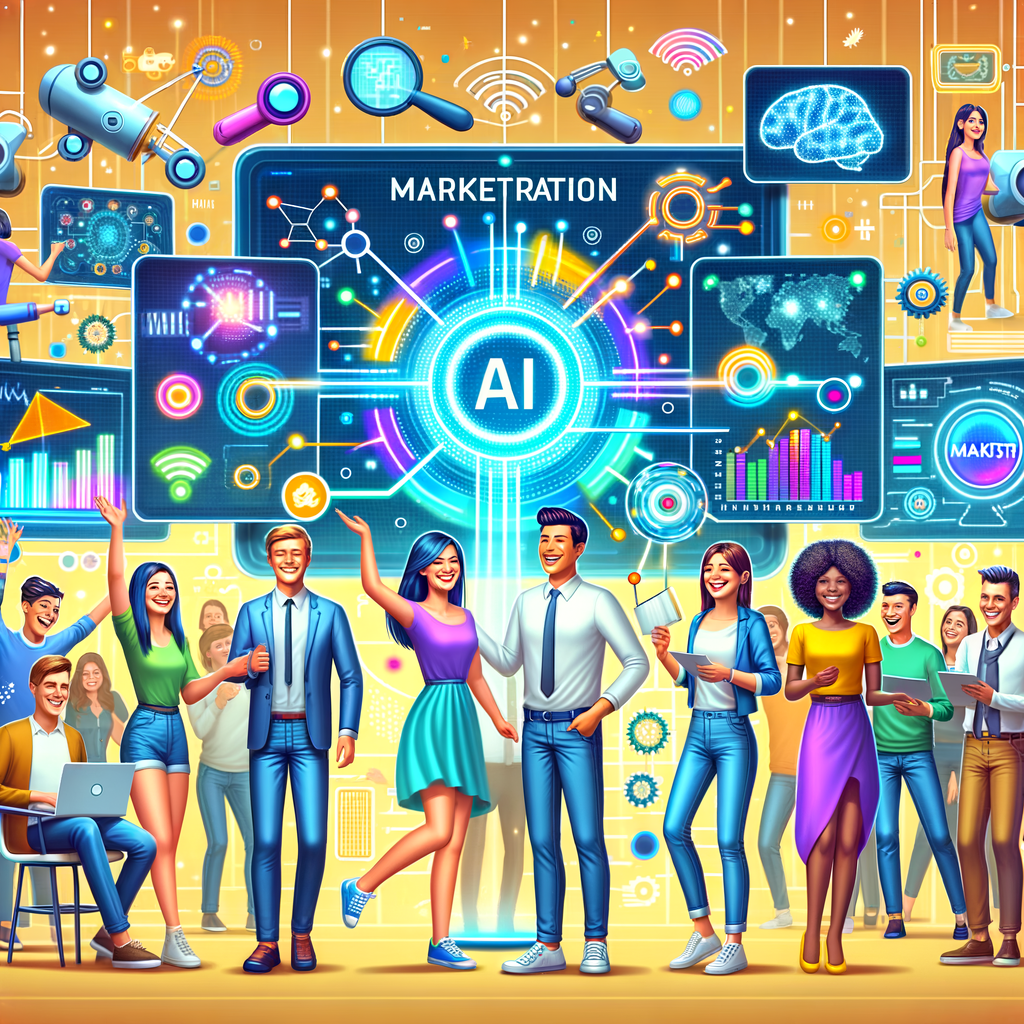
The marketing landscape is undergoing a radical transformation, driven by the advent of artificial intelligence (AI). In recent years, AI-generated campaigns have become a powerful tool for marketers, enabling them to create personalized, data-driven strategies that resonate with their target audience. This article explores the role of AI in transforming marketing, how AI-generated campaigns work, and the potential impact on the industry.
Index
- 1. Introduction
- 2. The Role of AI in Modern Marketing
- 2a. The Evolution of Marketing Technology
- 2b. Benefits of AI in Marketing
- 3. How AI-Generated Campaigns Work
- 3a. Data Collection and Analysis
- 3b. Audience Segmentation
- 3c. Content Creation and Optimization
- 3d. Predictive Analytics and Campaign Optimization
- 4. The Impact of AI on the Marketing Industry
- 4a. Enhanced Personalization
- 4b. Improved Campaign Efficiency
- 4c. New Opportunities for Creativity
- 4d. Ethical Considerations
- 5. Case Studies of Successful AI-Generated Campaigns
- 5a. Coca-Cola's AI-Powered Ad Campaign
- 5b. The North Face's AI Shopping Assistant
- 5c. Sephora's AI-Driven Product Recommendations
- 6. Challenges and Future Trends in AI Marketing
- 6a. Data Privacy Concerns
- 6b. Integration with Existing Systems
- 6c. The Rise of Voice Search and AI Assistants
- 6d. The Future of AI in Creative Advertising
- 7. Conclusion
The Role of AI in Modern Marketing
Artificial intelligence has become an integral part of modern marketing strategies. By leveraging AI, businesses can analyze vast amounts of data, gain insights into consumer behavior, and create highly targeted campaigns. AI tools are capable of automating repetitive tasks, predicting trends, and personalizing content at a scale that was previously unimaginable.
The Evolution of Marketing Technology
The integration of AI into marketing is part of a broader trend known as MarTech (marketing technology). Over the past decade, MarTech has evolved rapidly, incorporating tools like customer relationship management (CRM) systems, email marketing software, and social media management platforms. AI is the next frontier in this evolution, offering capabilities that extend beyond traditional automation.
Benefits of AI in Marketing
The benefits of AI in marketing are numerous. AI-driven tools can analyze consumer data to identify patterns and preferences, enabling marketers to tailor their messages more effectively. Additionally, AI can optimize campaign performance in real-time, making adjustments based on consumer responses. This leads to higher engagement rates, better conversion rates, and ultimately a more significant return on investment (ROI).
How AI-Generated Campaigns Work
AI-generated campaigns involve using artificial intelligence to design, execute, and optimize marketing strategies. These campaigns rely on algorithms and machine learning models to create content, target specific audiences, and measure success. Here's a closer look at how AI-generated campaigns work:
Data Collection and Analysis
The foundation of any AI-generated campaign is data. AI systems collect and analyze data from various sources, such as social media, customer interactions, and web analytics. This data is then processed to identify trends, preferences, and behaviors that can inform the campaign strategy.
Audience Segmentation
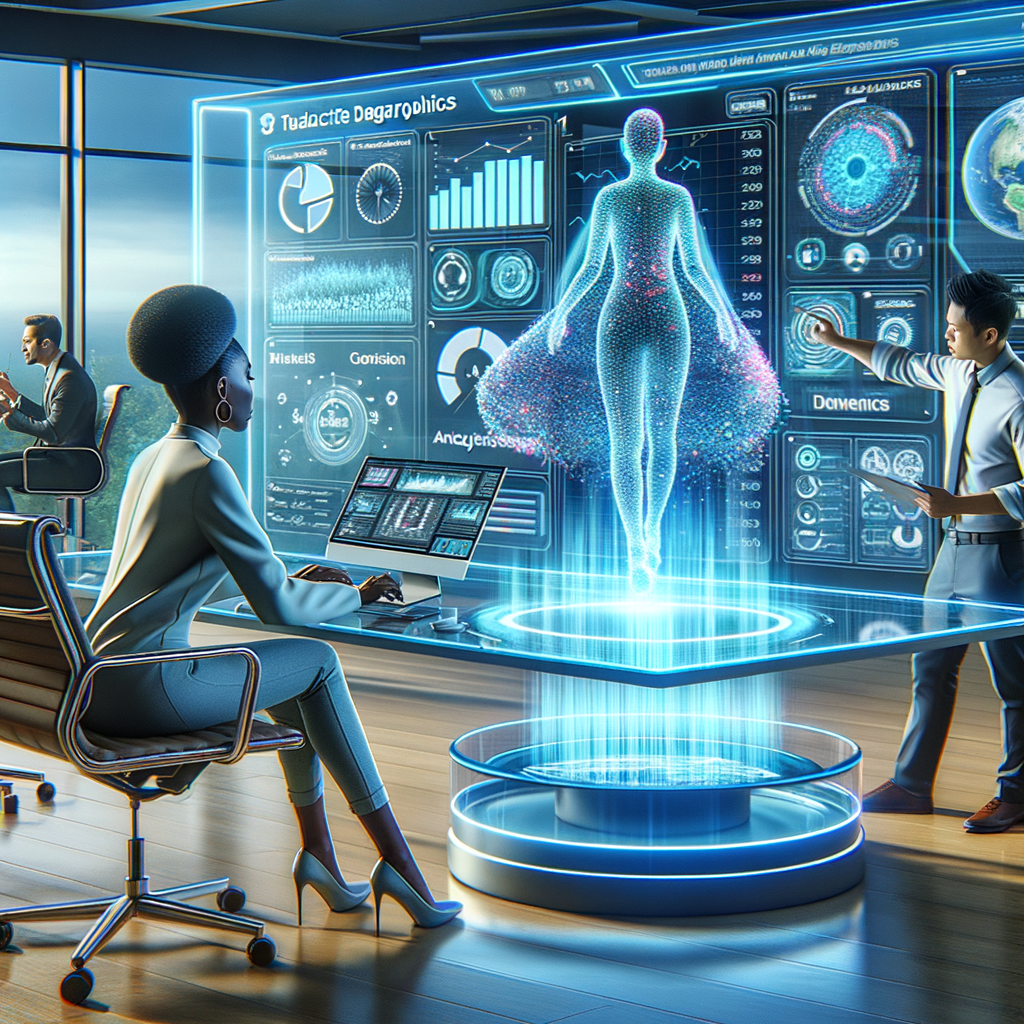
AI uses data analysis to segment audiences based on specific criteria, such as demographics, purchasing behavior, and interests. This allows marketers to create targeted campaigns that speak directly to the needs and desires of different audience segments. By delivering personalized messages, businesses can increase engagement and drive conversions.
Content Creation and Optimization
One of the most exciting aspects of AI-generated campaigns is content creation. AI can generate copy, images, and even video content that aligns with the campaign's objectives. These tools can create personalized content variations for different audience segments, ensuring that each message is relevant and compelling. AI also optimizes content in real-time, making adjustments based on performance metrics.
Predictive Analytics and Campaign Optimization
Predictive analytics is a crucial component of AI-generated campaigns. AI systems can predict how audiences will respond to different elements of a campaign, such as email subject lines or social media posts. Based on these predictions, AI can optimize the campaign by adjusting the timing, messaging, or targeting parameters. This ensures that the campaign remains effective throughout its duration.
The Impact of AI on the Marketing Industry
The rise of AI-generated campaigns is having a profound impact on the marketing industry. From enhancing creativity to improving efficiency, AI is changing the way marketers approach their work. Here are some of the key ways AI is transforming marketing:
Enhanced Personalization
Personalization has become a buzzword in marketing, and for a good reason. Consumers are more likely to engage with content that feels tailored to their interests and needs. AI enables a level of personalization that was previously impossible. By analyzing data at scale, AI can create highly customized experiences for each consumer, increasing the likelihood of conversion.
Improved Campaign Efficiency
AI streamlines many aspects of campaign management, from content creation to performance analysis. This not only saves time but also reduces the likelihood of human error. Marketers can focus on strategy and creative direction, while AI handles the more technical aspects of campaign execution.
New Opportunities for Creativity
While AI is often associated with data and automation, it also opens up new opportunities for creativity. AI tools can generate fresh ideas, suggest new approaches, and even create entire campaigns. This allows marketers to experiment with different styles and formats, pushing the boundaries of traditional marketing.
Ethical Considerations
The use of AI in marketing also raises ethical considerations. For example, the ability to analyze consumer data at such a granular level can lead to concerns about privacy and data security. Additionally, there is the question of transparency—should consumers be aware that they are interacting with AI-generated content? As AI continues to evolve, marketers will need to navigate these ethical challenges carefully.
Case Studies of Successful AI-Generated Campaigns
Several companies have already successfully implemented AI-generated campaigns, demonstrating the potential of this technology. These case studies highlight the diverse applications of AI in marketing and the results it can achieve.
Coca-Cola's AI-Powered Ad Campaign
Coca-Cola is one of the pioneers in using AI for marketing. The company launched an AI-powered ad campaign that created personalized video content for consumers. By analyzing data from social media and customer interactions, Coca-Cola's AI system generated videos that were tailored to individual preferences. The campaign was a resounding success, with increased engagement and higher conversion rates.
The North Face's AI Shopping Assistant
Outdoor apparel company The North Face has leveraged AI to enhance its customer experience. The company has developed an AI-powered shopping assistant that helps customers find the perfect product based on their preferences and needs. The assistant uses natural language processing to understand customer queries and recommend products. This personalized approach has led to higher customer satisfaction and increased sales.
Sephora's AI-Driven Product Recommendations
Beauty retailer Sephora has integrated AI into its online and in-store experiences. Sephora's AI-driven recommendation engine analyzes customer data to suggest products that match their preferences. This tool has been instrumental in driving sales, as customers are more likely to purchase products that are recommended based on their unique needs.
Challenges and Future Trends in AI Marketing
While the potential of AI-generated campaigns is immense, there are also challenges that marketers must overcome. Additionally, the future of AI in marketing is likely to bring even more innovative developments. Here are some of the challenges and future trends to watch:
Data Privacy Concerns
As AI relies heavily on data, concerns about data privacy and security are at the forefront. Marketers must ensure that they are collecting and using data in a way that is ethical and compliant with regulations like GDPR. Transparency is also crucial—consumers should be aware of how their data is being used.

Integration with Existing Systems
Another challenge is integrating AI tools with existing marketing systems. Many companies already have established workflows and tools, and adding AI to the mix can be complex. Marketers need to ensure that AI systems work seamlessly with their existing technology stack.
The Rise of Voice Search and AI Assistants
One of the emerging trends in AI marketing is the rise of voice search and AI assistants. As more consumers use voice-activated devices like Amazon's Alexa or Google Assistant, marketers will need to adapt their strategies. This includes optimizing content for voice search and developing AI-driven assistants that can engage with consumers in a conversational manner.
The Future of AI in Creative Advertising
AI is not just about data and automation; it also has the potential to revolutionize creative advertising. In the future, we may see AI-generated ads that are indistinguishable from those created by humans. These ads could be tailored to individual consumers in real-time, offering a level of personalization and engagement that is unparalleled.
Category and Keyword List
Category List
AI in Marketing, AI-Generated Campaigns, MarTech Evolution, AI in Advertising, Personalized Marketing, AI in Content Creation, Predictive Analytics in Marketing, AI-Driven Creativity, Ethical AI Marketing, AI Success Stories, and the Future of AI in Marketing
Keyword List
AI marketing, generative marketing, AI campaigns, marketing technology, personalized marketing, AI content creation, AI advertising, predictive analytics, AI creativity, AI ethical considerations, AI case studies, AI success stories, future of AI marketing
SEO Description
Explore how AI-generated campaigns are transforming the marketing industry by enabling personalized, data-driven strategies that boost engagement and ROI. Discover the benefits, challenges, and future trends in AI marketing, along with real-world success stories that highlight the power of artificial intelligence in revolutionizing advertising.
Summary and Conclusion
AI-generated campaigns are revolutionizing the marketing industry by enabling a level of personalization and efficiency that was previously unattainable. Through the use of advanced algorithms and machine learning models, AI is transforming how marketers approach campaign design, execution, and optimization. This technology offers numerous benefits, including enhanced personalization, improved efficiency, and new opportunities for creativity.
However, the rise of AI in marketing also brings challenges, particularly in terms of data privacy and the integration of AI tools with existing systems. As the industry continues to evolve, marketers must navigate these challenges carefully, ensuring that AI is used ethically and transparently.
Looking ahead, the future of AI in marketing is filled with exciting possibilities. From voice-search optimization to AI-driven creative advertising, the potential for innovation is vast. As AI technology continues to advance, it will undoubtedly play an increasingly important role in shaping the future of marketing, offering new ways to engage with consumers and drive business success.